PS · XBOX · PC
Mortal Shell 2 is a small studio's expansive Soulslike with the best identity system in the genre and combat that finally does it justice.

GAME FACTS
TIME TO COMPLETE (AVG)
23 Hours
ACHIEVEMENTS
53
PUBLISHER
Playstack
DEVELOPER
Cold Symmetry
GENRES
Action, Role-Playing
RELEASE YEAR
2026
Mortal Shell 2 — Review
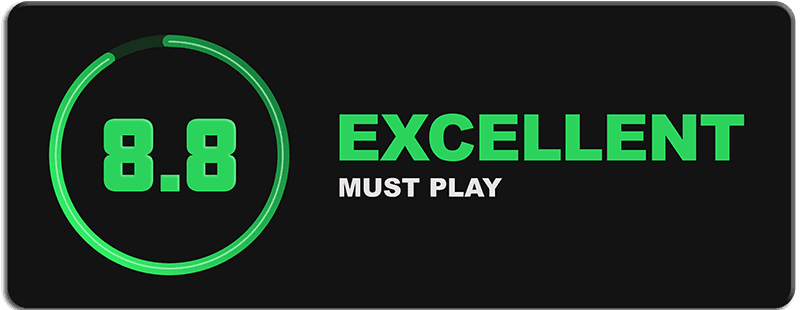
Score: 8.8/10
The first Mortal Shell was a game I respected more than I enjoyed. Cold Symmetry had one brilliant idea you're a hollow thing that possesses the corpses of dead warriors, each one rewriting who you are in a fight and they wrapped it in combat that felt like wading through wet cement. It sold a million copies on the strength of that idea alone, which tells you how good the idea was. Six years later, the sequel builds the game it always deserved.
You play the Harbinger, a faceless vessel called up to recover the Ova of the UnderMether, an entity that fell out of the sky and left religions growing in the crater. It's stranger, bigger lore than the original bothered with, and it does exactly what it needs to: it gives you a reason to walk into a world that clearly wants you dead. The story here is more legible than most Soulslikes manage, too. You won't need a lore YouTuber to explain the ending to you, but there's still enough ambiguity in the corners that digging turns up rewards.
It's enormous, and it looks incredible
The first thing that hit me genuinely the thing I wasn't prepared for coming in is the scale. I ran this maxed out at 3440×1440 and spent the opening hours just looking at things. The environments are dense and varied in a way the original never attempted, with secret dungeons tucked into corners you'd never think to check and vistas that stopped me mid-run more than once.
There's a specific visual identity at work here that I want to give credit to. This isn't generic dark fantasy. It's oppressive in a very deliberate way gothic, wet, decayed, lit like a storm's about to break. Every area has a mood rather than just a colour palette, and the game commits to it hard enough that playing in a dark room genuinely improves the experience. A lot of games in this genre reach for dread and land on drab. This one lands.
Knowing it came from a small team makes it hit even harder. Going from Mortal Shell's cramped, muddy corridors to this in a single generation is one of the more impressive glow-ups I've seen a studio pull off, and it's the thing I'll remember about this game longest.
The shells are still the reason to be here
Eight of them now, up from five. I mostly ran Proxima, Eredrim and Tiel, but I spent enough time with every shell to say with confidence that they all feel genuinely distinct not stat-block distinct, but different characters with different answers to the same problems. Proxima is quick and demands you stay on the front foot. Eredrim is the wall you hide behind when an area is chewing you up. Switching between them isn't switching numbers, it's switching identity, and it remains the thing nothing else in this genre does quite the same way.
What makes it work is that the shells aren't just mechanical. Each one carries the residue of a person, with memories you can surface and unfinished business you gradually piece together. It's storytelling delivered through the build system, and it's a smarter integration of narrative and mechanics than most bigger-budget games attempt.
Combat finally does the idea justice
The stamina bar is gone. That single decision does more for this game than anything else on the list. Everything is faster, more aggressive, more willing to let you press an advantage, and the whole thing is built around parrying rather than rolling. If you preferred Sekiro and Bloodborne to the slower, more deliberate Souls rhythm, you'll be immediately at home.
The weapon movesets are a joy, and they open up further once you start layering Tarstones onto them. Hits land with real weight the audio and animation feedback on a clean connect is genuinely satisfying in a way the first game never managed, and the execution animations still hit hard on the fiftieth viewing. When the game is at its best right shell, right weapon, a boss tuned to punish you the rhythm is as good as anything outside FromSoftware itself.
The Seal system layers on top of all that. Different Seals adjust your parry window, your access to Harden, or in the case of the Slayer Seal, meaningfully lower the difficulty for players who'd rather explore than die repeatedly. And if you want the game to hit back harder, Night Mode is sitting right there, unlockable early, adding difficulty alongside extra items, traders and lore as a reward. It's a game that trusts you to find your own difficulty instead of dictating one, and more Soulslikes should be doing this.
Where it's still a bit rough
It's not perfectly balanced. The open world can be more punishing than a lot of the bosses some field enemies hit harder than they've any right to, while a handful of bosses fold faster than expected. There's a stretch in the back third where a couple of fights lean on health pools rather than clever design. Lock-on magnetism is also tuned generously enough that enemies occasionally land hits they probably shouldn't.
None of it is a dealbreaker, and all of it is exactly the kind of thing that gets tuned post-launch. Patches are already landing, including boss adjustments and economy tweaks, and Cold Symmetry have moved fast enough that I'd expect most of this smoothed over within a month.
The one that stung slightly more is the resource economy around the shells. Skill points are shared rather than shell-specific, and Glimpses and Tarstone materials are scarce enough that fully building out all eight isn't really on the table in a single run. I'd have loved more freedom to experiment. That said, shell points can be refunded whenever you like, so the door to experimentation is never fully closed it just asks you to commit to a build and actually learn it rather than dabbling in everything. There's a real argument that this makes your chosen shell feel more like yours.
Who this is for
If you bounced off the first game because it was slow and half-formed, this is the redemption arc, and it's a big one. Faster, bigger, better-looking, and vastly more confident in what it is. Everything that felt like a rough draft in 2020 has been redrawn properly.
If you're new to the series entirely, this is a great jumping-on point. You lose nothing by skipping the original, and coming in fresh means you'll just experience this as a very good Soulslike rather than as a course correction.
If you're burnt out on the genre, the difficulty options here are generous enough to genuinely accommodate you this is one of the few Soulslikes I'd comfortably recommend to someone who's never finished one.
And if you just want a game with a world worth getting lost in and combat with real bite, this is one of the best non-FromSoftware entries in years. It's a small studio swinging way above its weight class and connecting almost every time. Rough edges and all, I'd take an ambitious game with problems over a safe one without them every single time — and Mortal Shell 2 has far fewer problems than it has ideas.